
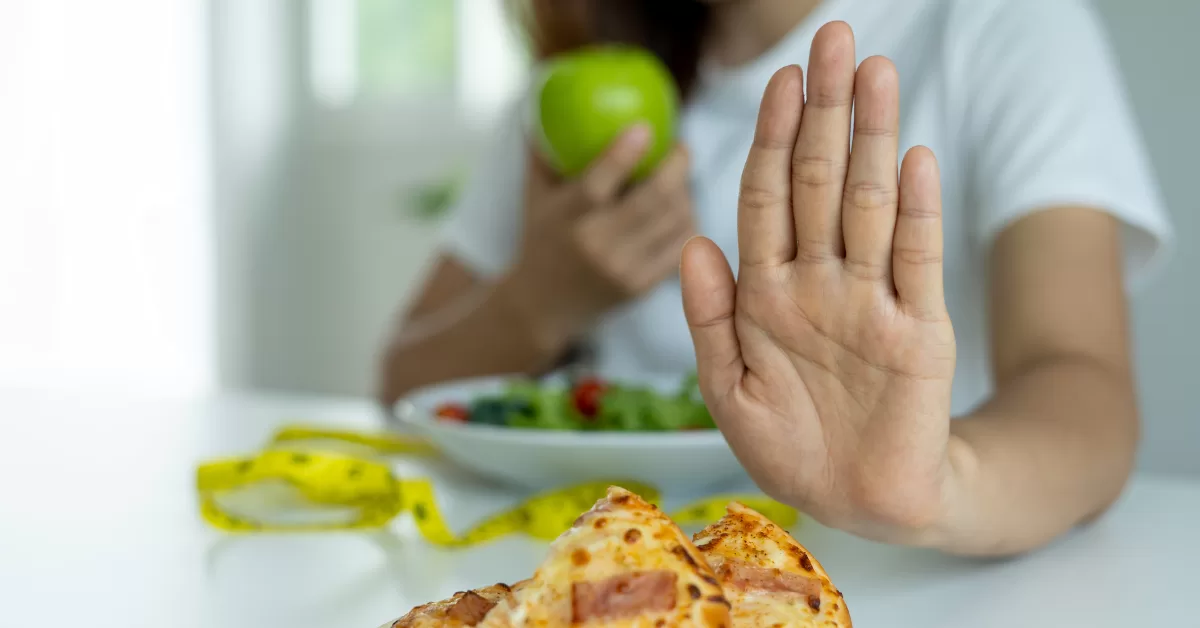
Pregnancy changes everything, including how your body reacts to food. What once felt harmless can suddenly carry risks for you and your baby. While most conversations focus on what to eat during pregnancy, understanding foods to avoid during pregnancy is just as important.
The goal is not to create fear. It is to help you make confident, informed choices. Food safety during pregnancy is about reducing the risk of infections, avoiding harmful toxins, and preventing exposure to substances that may interfere with fetal development.
In this complete safety list, we will walk through the foods that require caution, explain why they can be risky, and help you understand how to navigate them safely.
Why Certain Foods Are Risky During Pregnancy
During pregnancy, your immune system naturally shifts to protect your growing baby. This adjustment makes you more vulnerable to foodborne illnesses such as listeriosis, toxoplasmosis, and salmonella. Infections that might cause mild symptoms in others can become serious during pregnancy.
Certain bacteria and parasites can cross the placenta. Some toxins can affect the baby’s developing brain, nervous system, and organs. That is why food safety matters more now than ever.
Understanding the science behind these risks helps you make decisions calmly instead of reacting out of anxiety.
1. Raw or Undercooked Meat
Raw or undercooked meat can contain harmful bacteria and parasites such as Salmonella, E. coli, and Toxoplasma gondii. These infections may cause severe dehydration, fever, or complications that increase the risk of miscarriage or preterm labor.
Avoid:
-
Rare or medium-rare steak
-
Undercooked chicken
-
Raw minced meat
-
Street-style meat dishes that may not be thoroughly cooked
Always ensure meat is cooked to safe internal temperatures. Use a food thermometer if necessary. The inside should not appear pink, and juices should run clear.
2. Raw or Undercooked Eggs
Raw eggs can carry Salmonella. While symptoms like diarrhea and vomiting may seem manageable, dehydration during pregnancy can become dangerous quickly.
Avoid:
-
Homemade mayonnaise
-
Raw cookie dough
-
Some homemade desserts like mousse
-
Soft-scrambled eggs that remain runny
Choose pasteurized eggs whenever possible. Cook eggs until both the yolk and white are firm.
3. Unpasteurized Dairy Products
Unpasteurized milk and dairy products may contain Listeria, a bacteria particularly dangerous during pregnancy. Listeriosis can lead to miscarriage, stillbirth, or severe newborn infection.
Avoid:
-
Raw milk
-
Soft cheeses made from unpasteurized milk
-
Certain imported cheeses without clear labeling
Common soft cheeses to be cautious with include brie, camembert, feta, and blue-veined cheeses if they are not made from pasteurized milk.
Always check labels carefully. Pasteurization significantly reduces risk.
4. Certain Fish High in Mercury
Fish is generally healthy during pregnancy, as it provides omega-3 fatty acids essential for brain development. However, some fish contain high levels of mercury, which can harm your baby’s developing nervous system.
Avoid high-mercury fish such as:
-
Shark
-
Swordfish
-
King mackerel
-
Tilefish
-
Bigeye tuna
Instead, choose low-mercury options such as salmon, sardines, and trout. Most health authorities recommend 2 to 3 servings of low-mercury fish per week.
Balance is key. Completely avoiding fish is not necessary, but choosing the right type matters.
5. Raw Seafood and Sushi
Raw seafood may contain parasites and bacteria. Sushi made with raw fish poses similar risks.
Avoid:
-
Raw oysters
-
Raw clams
-
Sashimi
-
Sushi made with raw fish
If you crave sushi, choose versions made with cooked seafood or vegetarian ingredients. Ensure preparation occurs in a clean, reputable establishment.
6. Deli Meats and Processed Meats
Cold deli meats can harbor Listeria, especially if stored improperly. The bacteria can grow even in refrigerated conditions.
Avoid:
-
Cold turkey slices
-
Salami
-
Hot dogs that are not reheated
-
Packaged cold cuts eaten straight from the fridge
If you want to eat deli meats, heat them until steaming hot before consumption. Proper reheating significantly lowers risk.
7. Raw Sprouts
Raw sprouts such as alfalfa, mung bean, and radish sprouts are particularly risky because bacteria can grow inside the seeds before sprouting, making them difficult to wash thoroughly.
Avoid:
-
Raw sprouts in salads
-
Sprouts in sandwiches
-
Sprouts in smoothies
Cooking sprouts thoroughly reduces the risk, but raw versions should be avoided.
8. Unwashed Fruits and Vegetables
While fruits and vegetables are essential during pregnancy, improper washing can expose you to toxoplasmosis and other pathogens.
Avoid:
-
Unwashed produce
-
Pre-cut fruits left unrefrigerated
-
Salad bars with uncertain hygiene standards
Always wash produce under running water, even if you plan to peel it. Use a vegetable brush for firm produce.
9. Alcohol
There is no known safe level of alcohol during pregnancy. Alcohol can cross the placenta and affect fetal development.
Potential risks include fetal alcohol spectrum disorders, growth restriction, and developmental delays.
The safest choice is complete avoidance throughout pregnancy.
10. Excess Caffeine
High caffeine intake has been linked to low birth weight and increased risk of miscarriage.
Most health experts recommend limiting caffeine to 200 mg per day, which is roughly one 12-ounce cup of coffee.
Remember that caffeine also exists in:
-
Tea
-
Energy drinks
-
Chocolate
-
Some sodas
Monitor your total intake carefully.
11. Herbal Teas and Supplements Without Medical Approval
Not all herbal products are safe during pregnancy. Some herbs may stimulate uterine contractions or interfere with hormonal balance.
Avoid consuming:
-
Unverified herbal teas
-
High-dose herbal supplements
-
Detox drinks
Always consult your healthcare provider before trying any herbal remedy.
12. Liver and Vitamin A Overconsumption
While liver is nutrient-dense, it contains very high levels of vitamin A. Excess vitamin A in its retinol form can increase the risk of birth defects.
Avoid:
-
Frequent consumption of liver
-
High-dose vitamin A supplements
Prenatal vitamins are carefully formulated to provide safe levels.
13. Street Food with Questionable Hygiene
Food prepared in unsanitary environments increases the risk of bacterial contamination.
During pregnancy, your tolerance for food poisoning is lower. Be selective about where you eat, especially if refrigeration and hygiene standards are unclear.
14. Refrigerated Pâtés and Meat Spreads
Refrigerated pâtés can carry Listeria.
Avoid:
-
Chilled meat spreads
-
Refrigerated seafood pâtés
Shelf-stable canned versions are generally safer if unopened.
15. Pre-Packaged Salads and Buffets
Pre-packaged salads and buffet items can sit at unsafe temperatures for extended periods, increasing bacterial growth risk.
Choose freshly prepared meals whenever possible.
Common Myths About Foods to Avoid During Pregnancy
Many pregnancy food fears come from outdated or exaggerated information.
For example:
-
Not all cheese is unsafe. Only unpasteurized varieties carry risk.
-
Fish is not dangerous when low in mercury.
-
Spicy food does not harm the baby unless it causes digestive discomfort.
Instead of eliminating entire food groups unnecessarily, focus on safe preparation and informed selection.
Practical Food Safety Tips During Pregnancy
Beyond avoiding certain foods, adopting good hygiene practices protects you significantly.
-
Wash hands before and after handling food.
-
Keep raw and cooked foods separate.
-
Refrigerate leftovers promptly.
-
Avoid consuming leftovers older than 24 to 48 hours.
-
Use separate cutting boards for meat and vegetables.
These simple steps dramatically reduce infection risk.
When to Seek Medical Attention
If you experience symptoms such as:
-
Fever
-
Persistent vomiting
-
Severe diarrhea
-
Muscle aches
-
Stiff neck
Contact your healthcare provider immediately. Foodborne illnesses require prompt treatment during pregnancy.
Final Thoughts: Awareness Without Fear
Pregnancy should not feel like a long list of restrictions. It is about smart choices, not constant anxiety.
Understanding foods to avoid during pregnancy allows you to protect your baby’s development while still enjoying a balanced and satisfying diet.
Most risks can be managed with simple precautions: cook food thoroughly, choose pasteurized products, avoid high-mercury fish, and maintain proper hygiene.
If you ever feel unsure about a specific food, your healthcare provider can guide you based on your personal health history.
A safe pregnancy diet is not about perfection. It is about awareness, balance, and consistent care.
Your body is doing extraordinary work. Nourish it wisely, and give yourself the confidence that you are making informed, protective choices every day.